
UK Players Lose Track of Time in Big Bass Crash Game

If you spend any time on UK casino sites, you’ll constantly hear one name: Big Bass Crash https://bigbasscrash.eu/. This isn’t just another title to try. It merges the beloved fishing theme and joins it with the tense, ticking-clock mechanics of a crash game. The outcome is something that consistently causes players to lose track of time. The idea is simple—you see a multiplier increase as a fisherman brings in his catch, and you need to cash out before the line breaks. But the feeling it creates is intricate. It exploits anticipation, risk, and the sharp thrill of a win, all wrapped in peaceful underwater graphics and mellow sounds. For many here, that mix is so absorbing that an hour can fly by in what seems like five minutes.
Safe Play: Staying in Control of Your Playtime
Because Big Bass Crash is so engaging, you have to be cautious. The most important step is to set your boundaries before you even watch the fisherman cast his line. The same structure that creates such deep immersion can also make you stay longer than you intended to. Think of it as buying enjoyment, like a cinema ticket. It is not a method to make money. Choose what you want to wager, and for how long you want to play. Then follow that plan. Use the options that every proper UK casino must offer: deposit limits, loss limits, and session reminders that pop up to tell you how long you’ve been logged in. One rule is unbreakable: never try to recoup your losses by raising your bet. Every round is its own instance, independent to the last. The players who appreciate this game the most are the ones who participate within their own clear guidelines. They take their wins, they dismiss their losses as the cost of the fun, and they depart when their time or budget is done.
How Big Bass Crash Measures Up Versus Alternative Crash Games
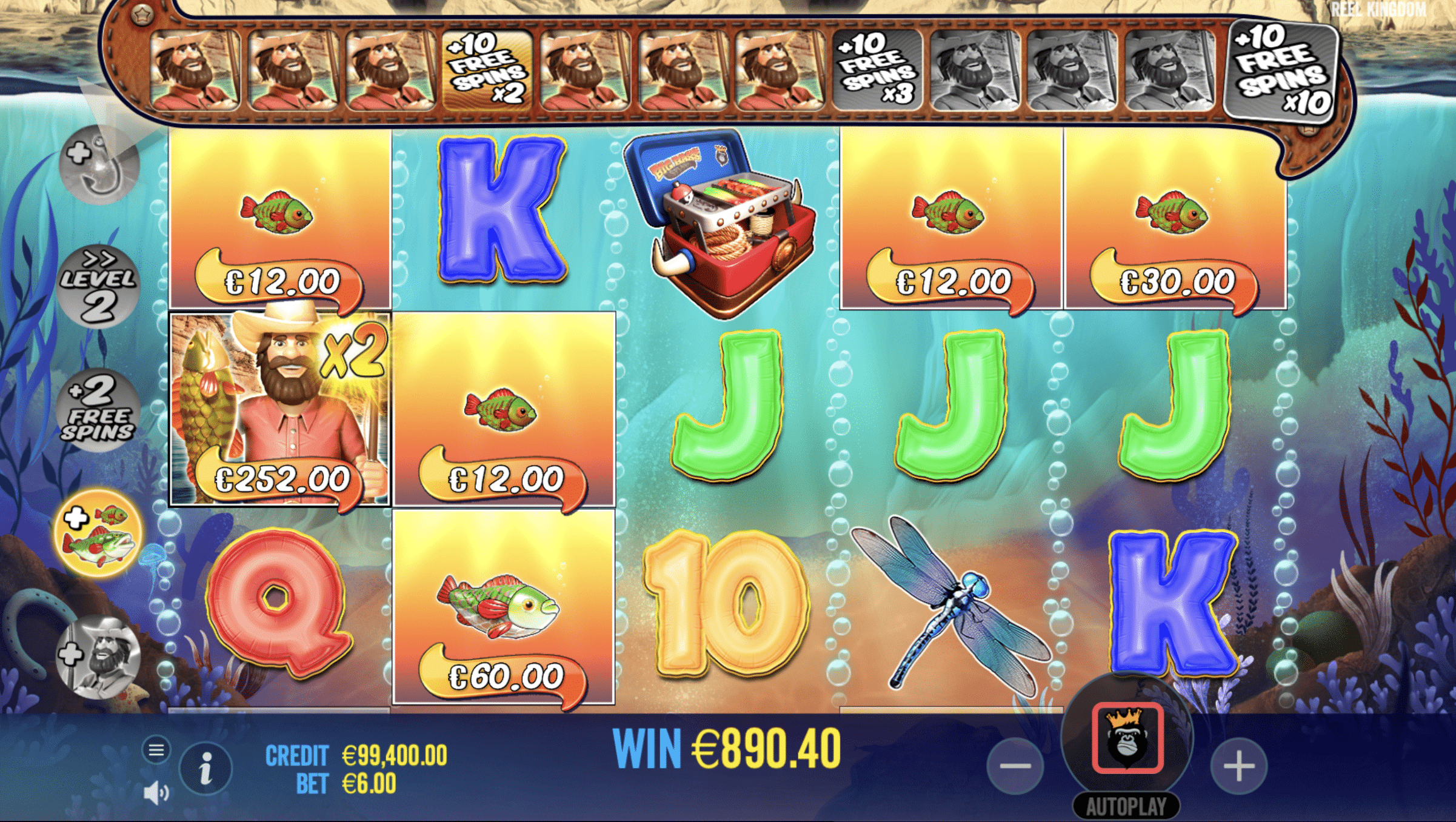
Plenty of crash games exist, from Aviator to Spaceman. Big Bass Crash distinguishes itself in a few key areas. Many other games choose a sleek, abstract look. Big Bass Crash constructs a whole world. You see the fisherman, the underwater scene, the collectible fish. That narrative layer is important to players who want more than just a rising graph. The bonus features associated with the fish symbols are an additional big difference. Most crash games are only about the multiplier climb. Here, you get the chance for instant prizes and bonus rounds, which opens up more ways to win. For a UK audience, the Big Bass name itself is influential. It originates from the massively popular Big Bass Bonanza slot series, so it seems familiar and trustworthy from the start. The production quality is also a notch above, with smoother animations and a complete soundscape. In short, it offers a deeper, more feature-packed experience than its simpler rivals. That’s why you find it on so many sites here now.
Best Tips for Fresh Players Starting Out
Considering giving Big Bass Crash a try? Some groundwork can make your first sessions less stressful and clearer. Your opening move should be to seek out a demo or free-play version. This allows you to learn the ropes, grasp how fast the rounds go, and understand the bonus fish, all without wagering a penny. When you move to real money, start with the smallest bets. This stretches your budget and helps you get a feel for the game’s rhythm. Steer clear of the trap of always chasing a 100x multiplier. Cashing out consistently at smaller values, like 2x or 3x, can be a better long-term approach. Find out what the different fish do. Most importantly, choose a cashing-out strategy before you begin, and attempt to follow it. Do you always cash out at 2.5x? Or will you use a ladder system? Planning ahead helps. Below is a basic framework for your initial visits to the game:
- Decide exactly how much money and time you plan to spend before you start the game.
- Play the demo mode first. Watch the fisherman’s movements and identify which fish trigger bonuses.
- Begin with the minimum bet. Just watch how the multiplier moves for 20 or 30 rounds.
- Choose a simple cash-out rule and practice it. For example, “I will cash out at 3x for my first ten bets.”
- When you press cash out, never cancel it. Questioning that decision is where many losses happen.
- Recognize when to stop. If you’re ahead, that can be a good time. If you encounter your loss limit, that is definitely the time.
The Mental Process of Losing Track of Time
Time doesn’t vanish by chance in Big Bass Crash. The game is designed to make it happen. When you play, you can slip into a ‘flow state’. That’s the term for being completely absorbed in a task. The game brings you there by balancing simple rules with constant, tiny decisions. Each round goes for only seconds. But in those seconds, you are all in. You watch the number climb. You guess when the crash might come. You fight the urge to wait for just a bit longer. This cycle of tension, action, and result forms a tight feedback loop for your brain. There are no natural pauses, no breaks in the action to glance at the time. The serene graphics even lower your sense of stress, allowing you to sink deeper into the rhythm. Before you know it, the real world has faded away. This is exactly why setting a limit before you play is so critical.
The Future of Crash Games in the UK Market
The rise of Big Bass Crash indicates a significant transformation in what UK players want. There’s a strong demand for games that offer greater interactivity, where your choices feel immediate, not just reactive. The crash game genre will evolve from here. We’ll see more themes, from sports to adventure stories, and more intricate bonus features, continuing the trend Big Bass Crash set with its fish features. Other big slot brands are likely to launch their own crash games, bringing their fans with them. From a technical standpoint, we might see features that allow you to compete with others on a live leaderboard, or share in a communal bonus. For players, this means increased options and fresh creativity. Of course, this growth will happen under the close scrutiny of the UK Gambling Commission. They will demand that as games become more engaging, the tools to protect players become more effective. The challenge for developers is to build captivating worlds like Big Bass Crash while integrating safety features directly into the core of the game, so the fun is never excessively risky.
Core Features That Draw In UK Players
Big Bass Crash didn’t just come into the UK market; it established a home there. It transformed the basic crash game and introduced features that appear both bountiful and fun. The main attraction isn’t just the multiplier. Special fish symbols can appear during a round. Catching certain fish can give instant cash or trigger one of two bonus games. This adds a surprise element on top of the steady tension of the climb. The game also lets you to use an autoplay function, where you can establish a specific cash-out point in advance. But for many players, the real hook is the presentation. The graphics are sharp and elaborate. The sounds immerse you into that underwater world without being annoying. It operates perfectly on a phone or a computer. This level of polish renders everything smooth. It turns a mathematical game into a little story, and that story makes people coming back.
What Actually Is Big Bass Crash?
Big Bass Crash is from Pragmatic Play, a top game maker. It’s a trial of timing and nerve. You start with a bet. On screen, a fisherman casts his line. A multiplier begins to rise from 1x, indicated by a number on screen and the tension on the virtual fishing line. Your role is to click the ‘Cash Out’ button before that line randomly pops. Do it in time, and you get your bet multiplied by that number. Wait too long, and the line snaps, and you lose the bet. The smart part is the theme. The scene is calm—gentle water, soft music, bubbles. This calmness sits in direct opposition to the adrenaline spike you feel deciding when to cash out your cash. It appears nothing like rotating slot reels or playing cards. That contrast, that interactive pulse, has caught on with UK players who are always on the hunt for something new.

Add comment