
Is gambling addiction real? Signs and solutions to consider
Is gambling addiction real? Signs and solutions to consider
Understanding Gambling Addiction
Gambling addiction, often referred to as compulsive gambling or pathological gambling, is a condition that affects millions of individuals worldwide. It is characterized by an uncontrollable urge to gamble, leading to significant personal and financial consequences. Contrary to popular belief, gambling addiction is not just a phase or a matter of poor impulse control; it’s recognized as a serious disorder that can devastate lives and relationships.
This addiction can manifest in various forms, from frequent visits to casinos to online gambling and even betting on sports. Many people may think they can stop at any time; however, this false belief often traps them in a cycle of losses, chasing their bets, and emotional turmoil. For those who may seek a break from addictive patterns, activities like an ice fishing game might serve as a refreshing distraction.

Signs of Gambling Addiction
Identifying gambling addiction can be complex, as many individuals attempt to conceal their behavior. Some common signs include increasing preoccupation with gambling, needing to gamble with increasing amounts of money to achieve excitement, and unsuccessful attempts to control the habit. Often, individuals may lie to friends, family, or therapists to cover up the extent of their gambling.
Other indicators include gambling as a way to escape problems or feelings of helplessness and experiencing distress when attempting to cut down or stop. It’s crucial to recognize these signs early, as the consequences can escalate—leading to financial ruin, health issues, and damaged relationships. Understanding these signs can empower individuals and their loved ones to take the necessary steps towards recovery.
The Psychological Impact of Gambling Addiction
Gambling addiction doesn’t just impact finances; it takes a significant toll on mental health. Those affected may experience anxiety, depression, and feelings of isolation. The constant cycle of winning and losing can create a rollercoaster of emotions, making it difficult for individuals to maintain a stable state of mind.
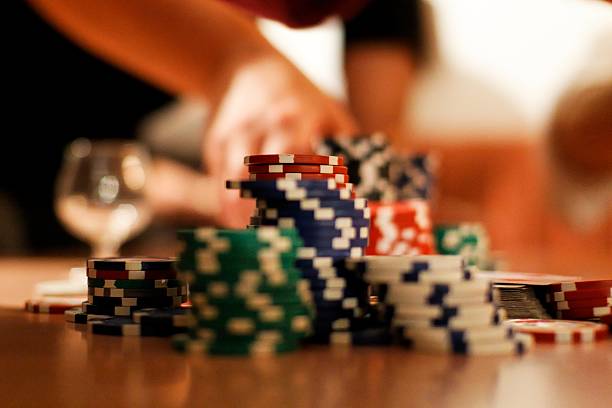
The psychological effects can often lead to severe stress not only for the individual but also for families and friends. Financial strain caused by gambling can result in conflict, mistrust, and overall breakdown of relationships. Awareness of these emotional ramifications is a vital part of understanding the broader implications of gambling addiction.
Solutions and Recovery Options
Overcoming gambling addiction often requires a multifaceted approach. Seeking professional help is a crucial step; therapists and counselors experienced in addiction can provide the necessary support and coping strategies to navigate recovery. Support groups, such as Gamblers Anonymous, offer shared experiences and encouragement to facilitate the healing process.
Additionally, incorporating healthy hobbies can significantly benefit recovery. Engaging in activities like sports, arts, or community service allows individuals to redirect their focus and energy positively. Building a robust support network from family and friends can create a safety net, encouraging transparency and accountability.
Your Resource for Understanding Gambling Addiction
For anyone grappling with gambling addiction, it’s essential to know you are not alone, and help is available. Many resources online offer guidance, support, and informative articles about the nature of gambling addiction and paths to recovery. Websites dedicated to addiction often feature a wealth of knowledge, connecting those in need to the appropriate tools and support systems.
Staying informed about gambling addiction is the first step towards recovery—for both those struggling and their loved ones. Understanding the complexities involved can lead to more compassionate conversations and effective strategies for overcoming the addiction together.

Add comment